
Iris-3B
Pixel-space generation & general vision learner
Generative priors are a promising foundation for downstream vision tasks. In this project we explore pixel-space generative models as an alternative to vision foundation models such as DINOv2.
Iris-3B is a 3B-parameter diffusion transformer that generates directly in pixel space: no VAE, no latent space, every pixel is produced by the model, so nothing is lost to a lossy, texture-biased latent. It is not only an image generator: the same pixel-space prior, fine-tuned, estimates monocular depth and restores and upscales images — one backbone, three tasks. This repository contains the model, the training and fine-tuning code, and inference.
Iris-3B Turbo is a 4-step distilled version of Iris-3B: a 1024×1024 image in about 0.7 s on one H100.
iris-reel.mp4
Generations
Samples from the final checkpoint at native aspect ratios of about one megapixel (CFG 3, 100 steps, one fixed seed, no prompt rewriting).
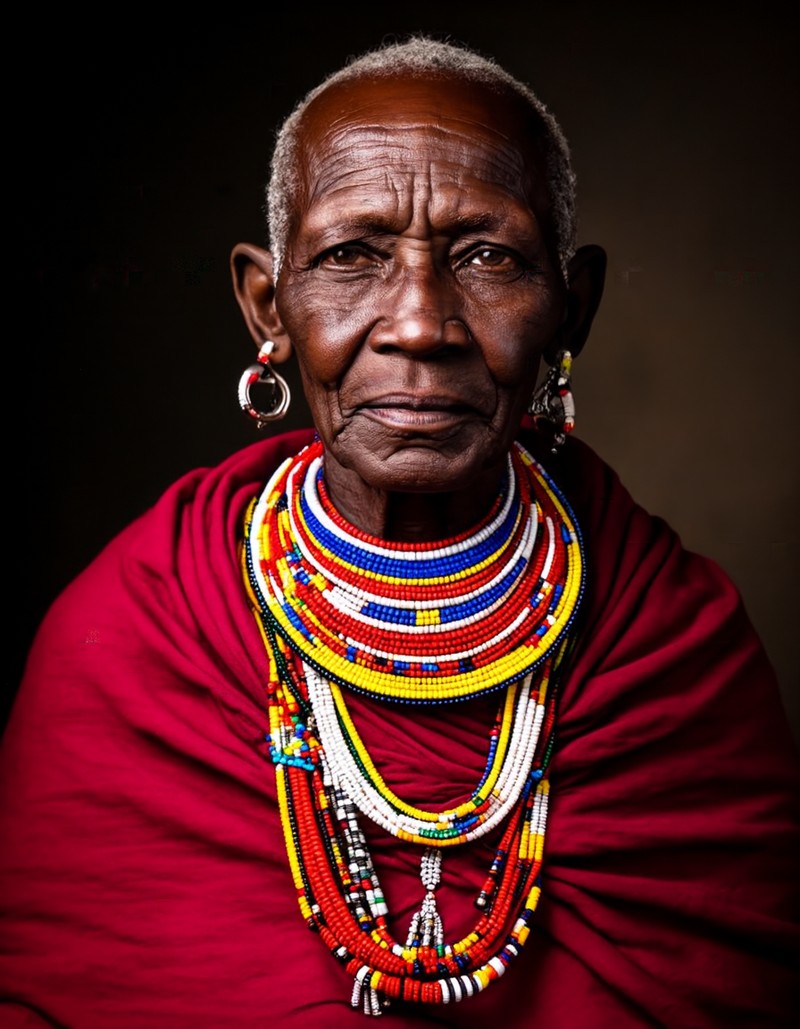 Studio portrait of a Maasai elder wearing vibrant beaded jewelry, deep red cloth, dark backdrop, Rembrandt lighting, ultra detailed skin texture |
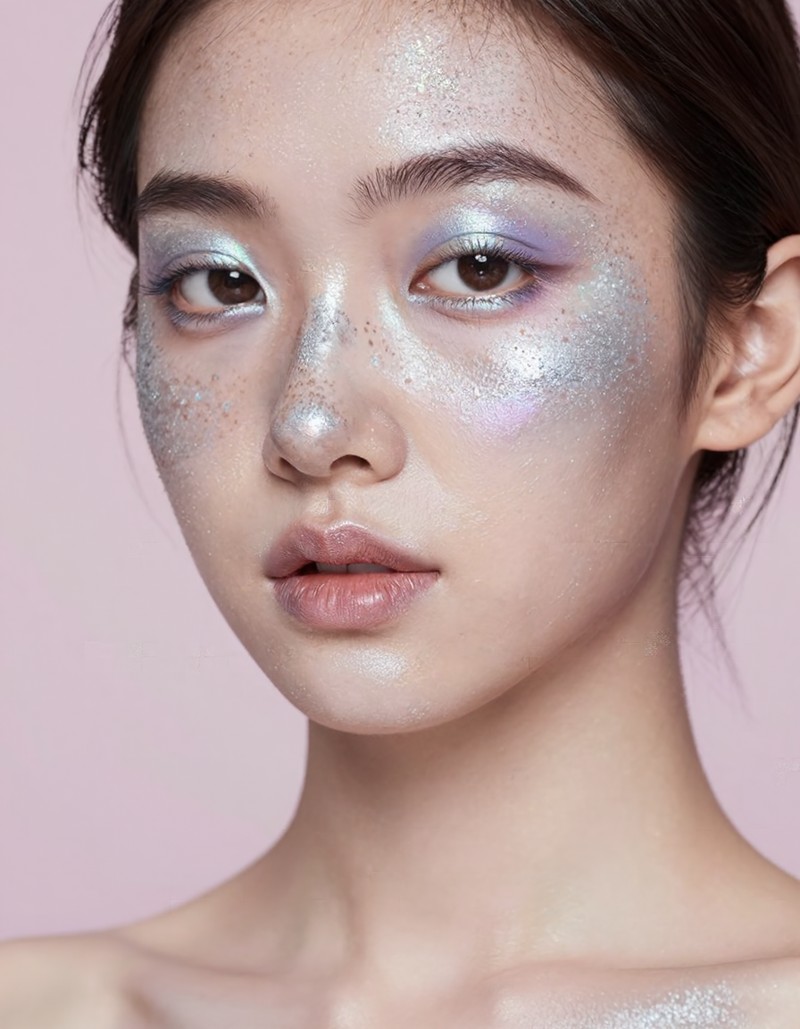 Close-up portrait of a young woman with silver glitter freckles and iridescent makeup, soft pastel background, high fashion beauty photography |
 A glass sculpture of a heart filled with flowers, caustics and reflections, 3D render |
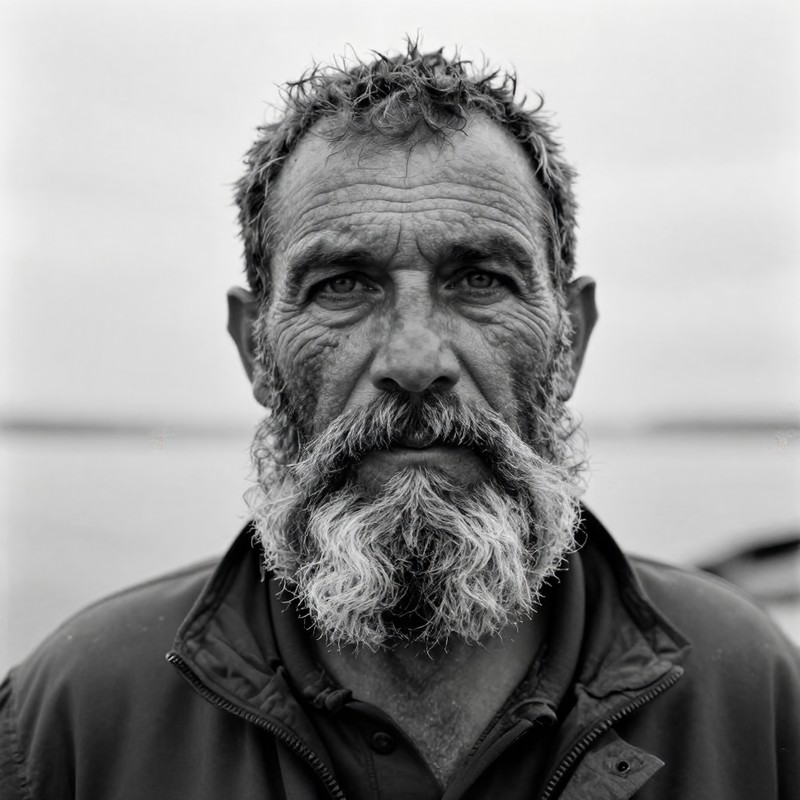 Black and white portrait of a fisherman with a thick grey beard and deep wrinkles, piercing eyes, overcast light, fine grain film photograph |
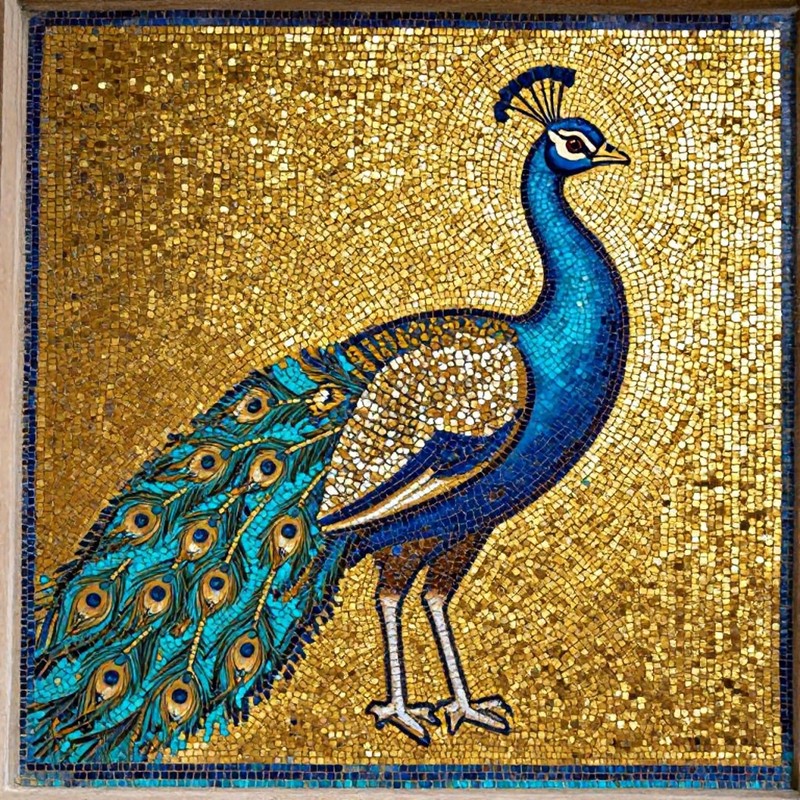 A Byzantine-style mosaic of a peacock made of tiny gold and turquoise tiles, shimmering texture |
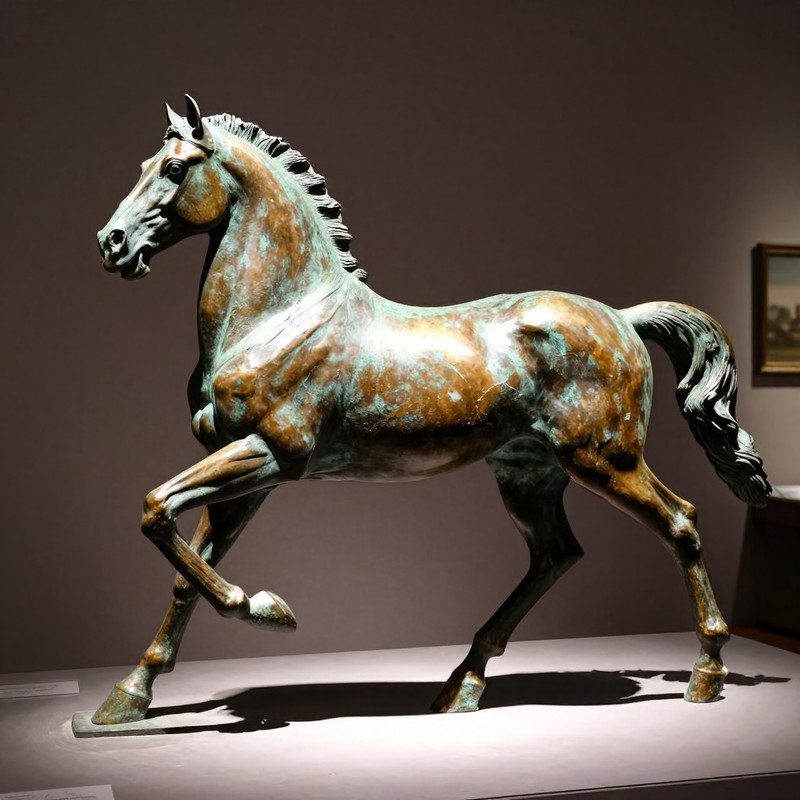 A bronze sculpture of a horse in motion, patina, dramatic museum spotlight |
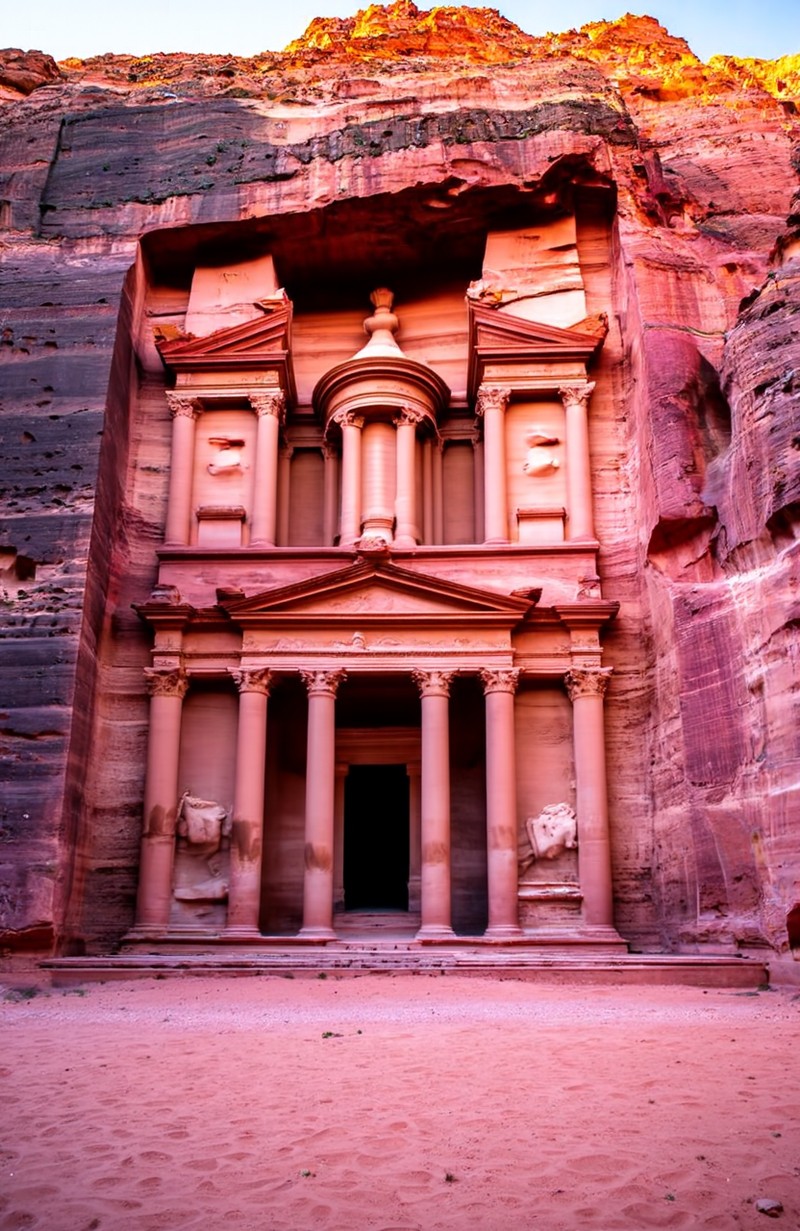 The ancient city of Petra with the Treasury carved into pink sandstone, morning light |
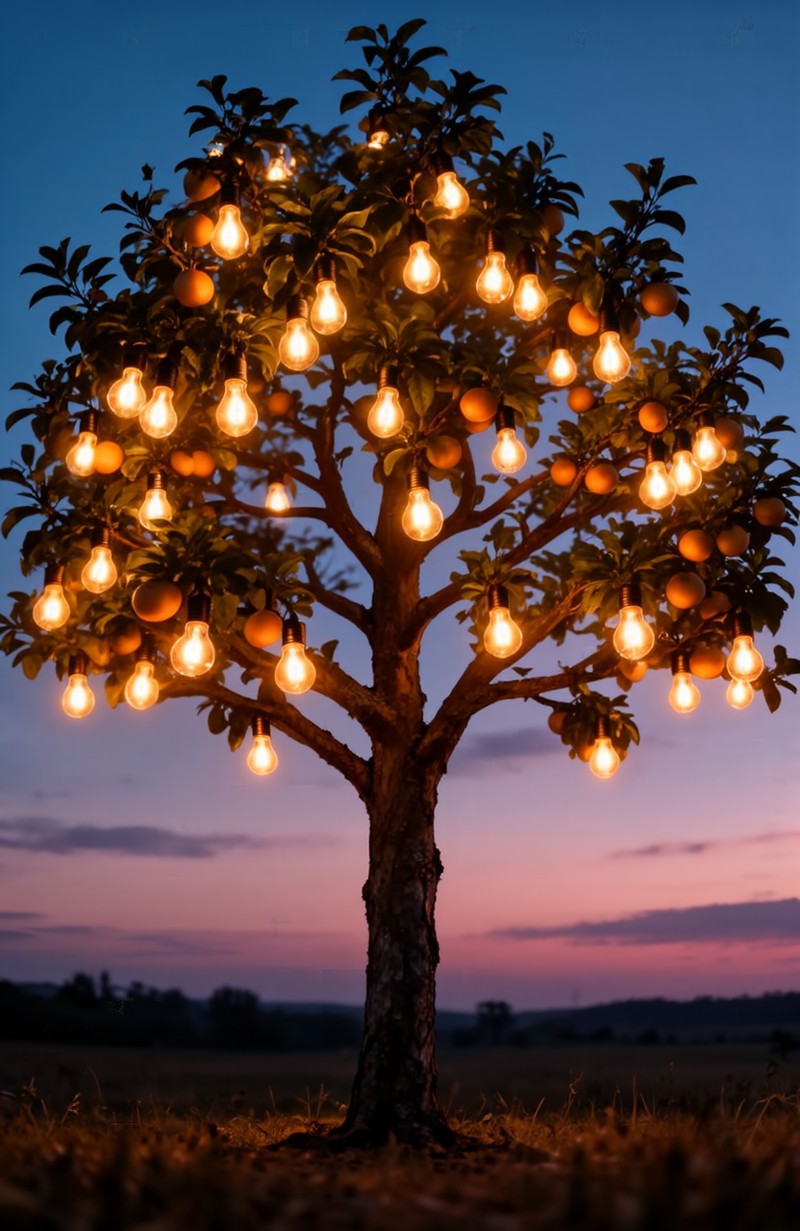 A tree with lightbulbs instead of fruits glowing at dusk, surreal concept art |
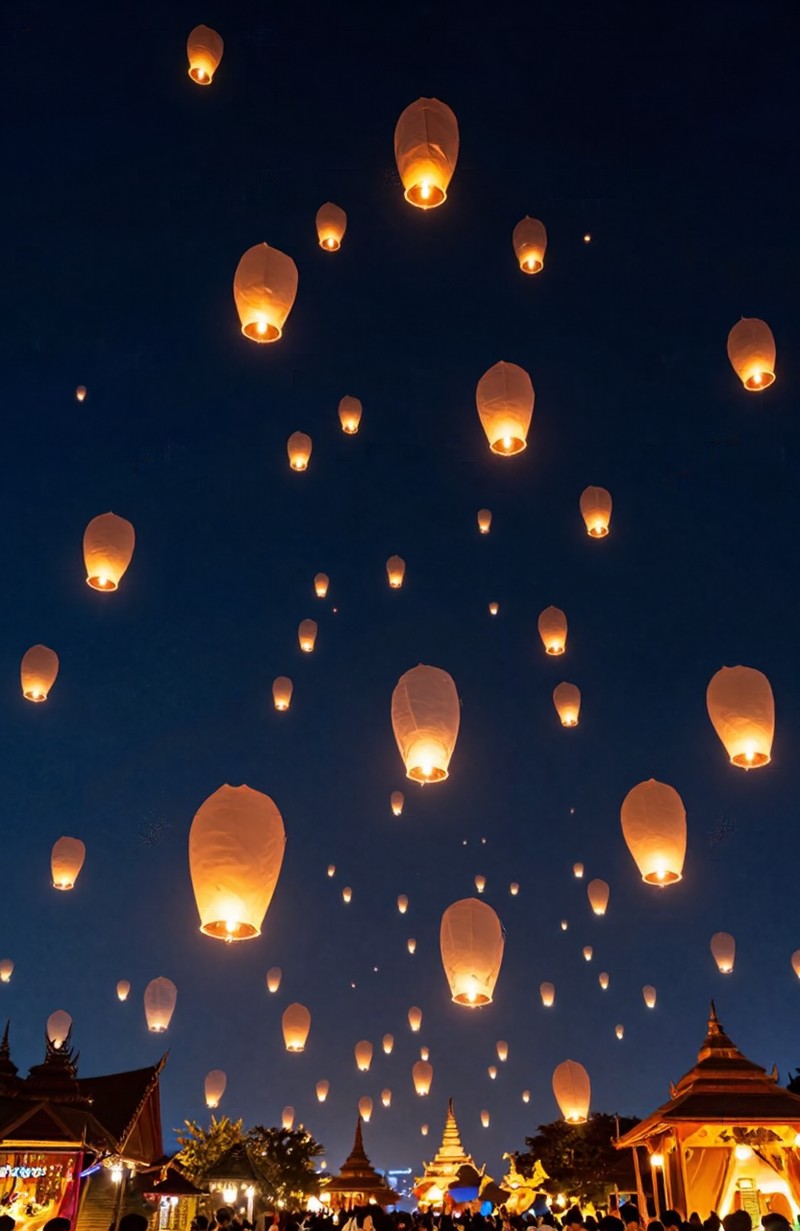 Thousands of sky lanterns rising into the night sky at Yi Peng festival in Chiang Mai |
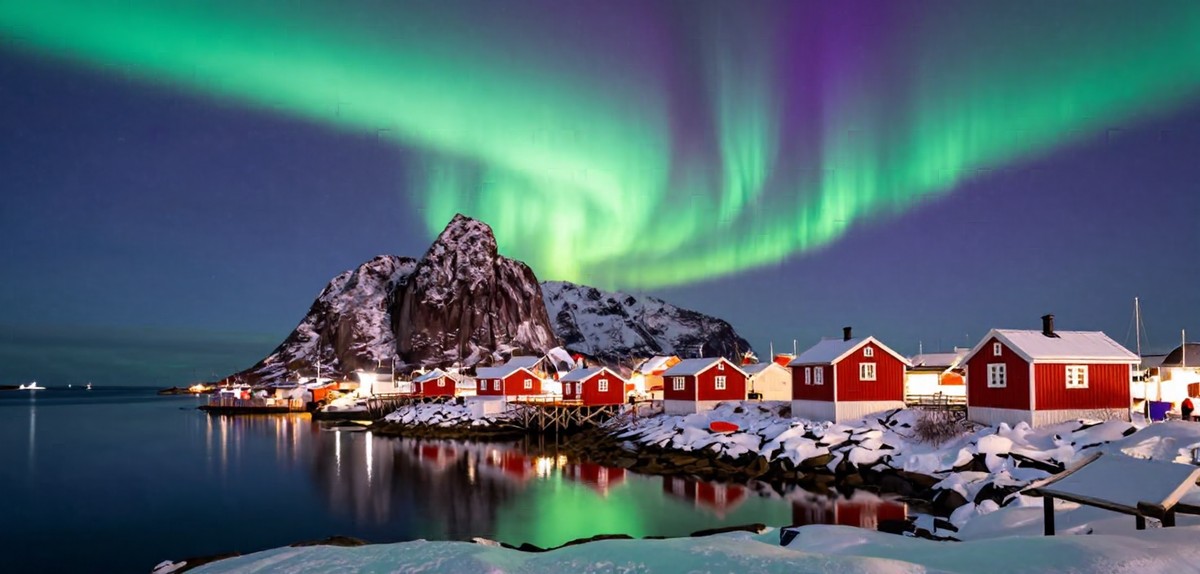 The aurora borealis swirling green and violet over a snowy Lofoten fishing village with red wooden cabins, reflections in a calm fjord, night photograph |
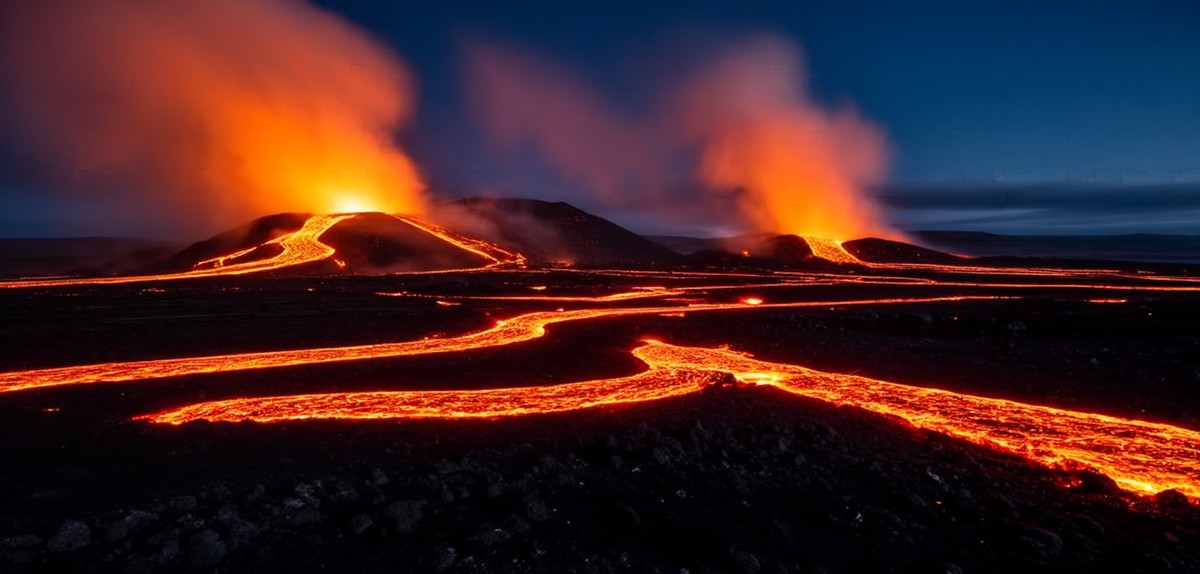 Volcanic eruption at night in Iceland, rivers of glowing lava flowing across black fields, plumes of steam lit orange, long exposure |
More samples: project page.
One prior, many tasks
Iris-3B is a general vision learner, not only a text-to-image model: the same pixel-space backbone, fine-tuned with no architectural change, does dense vision tasks where detail matters. Both fine-tunes ship with the release (see Depth, image restoration and upscaling for usage).
Monocular depth — photo → relative depth, one forward pass:
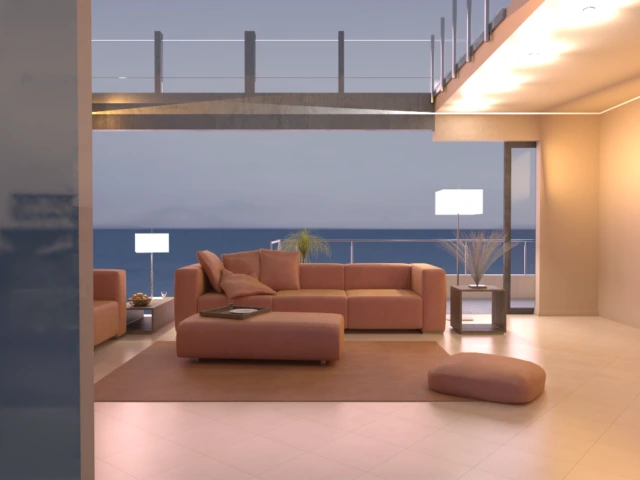 Photo |
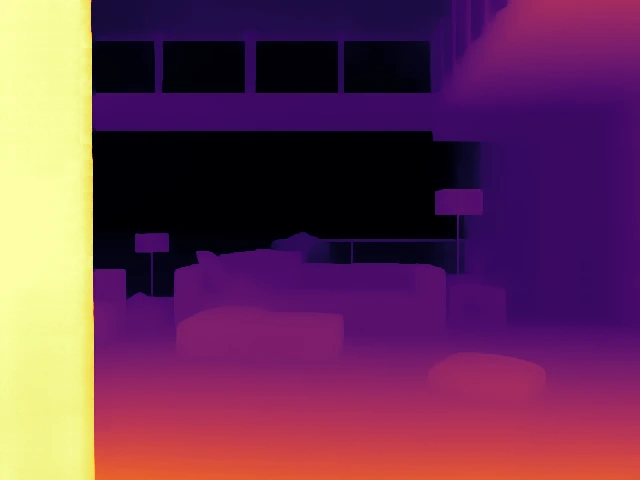 Iris-3B depth |
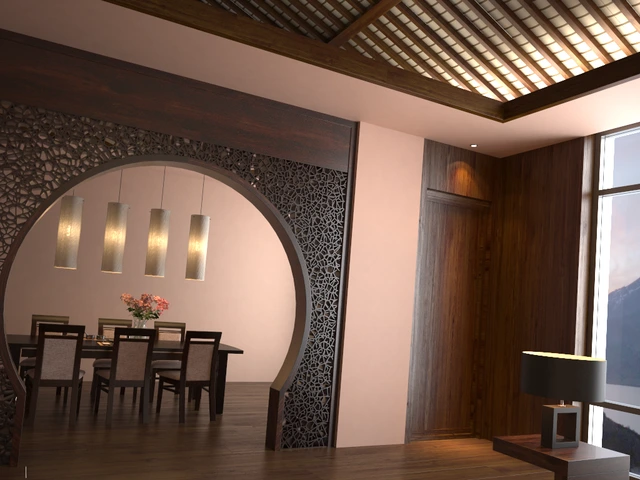 Photo |
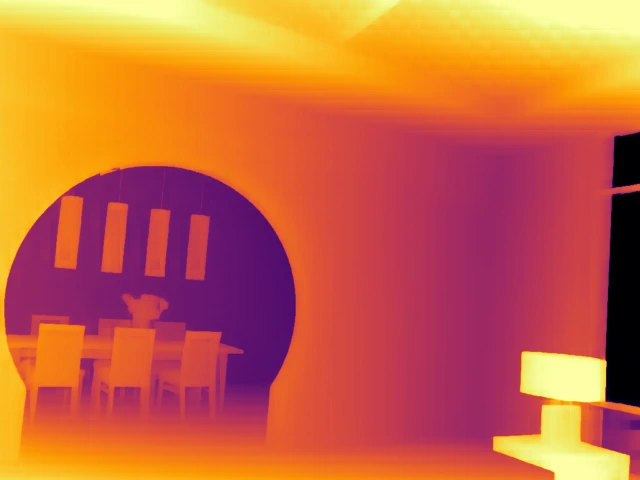 Iris-3B depth |
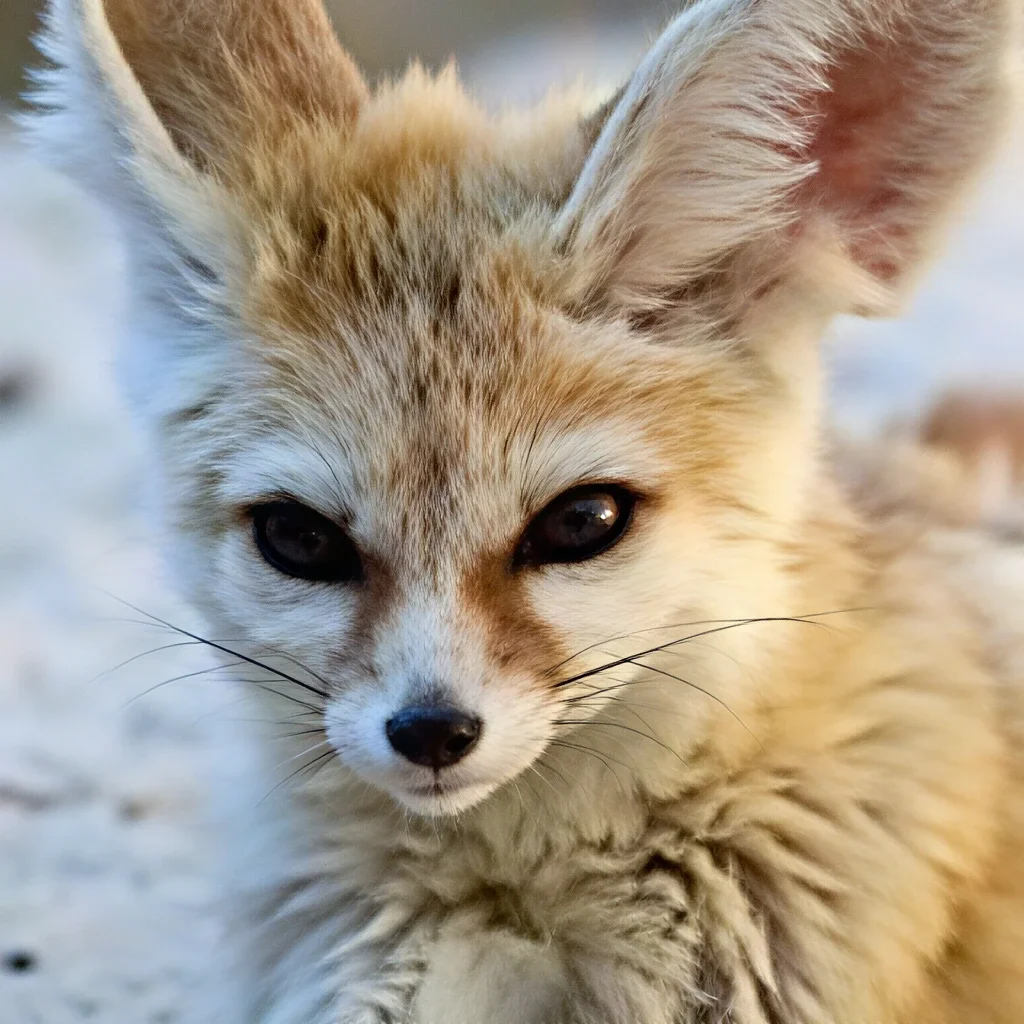
Image restoration and upscaling — degraded input → restored image:
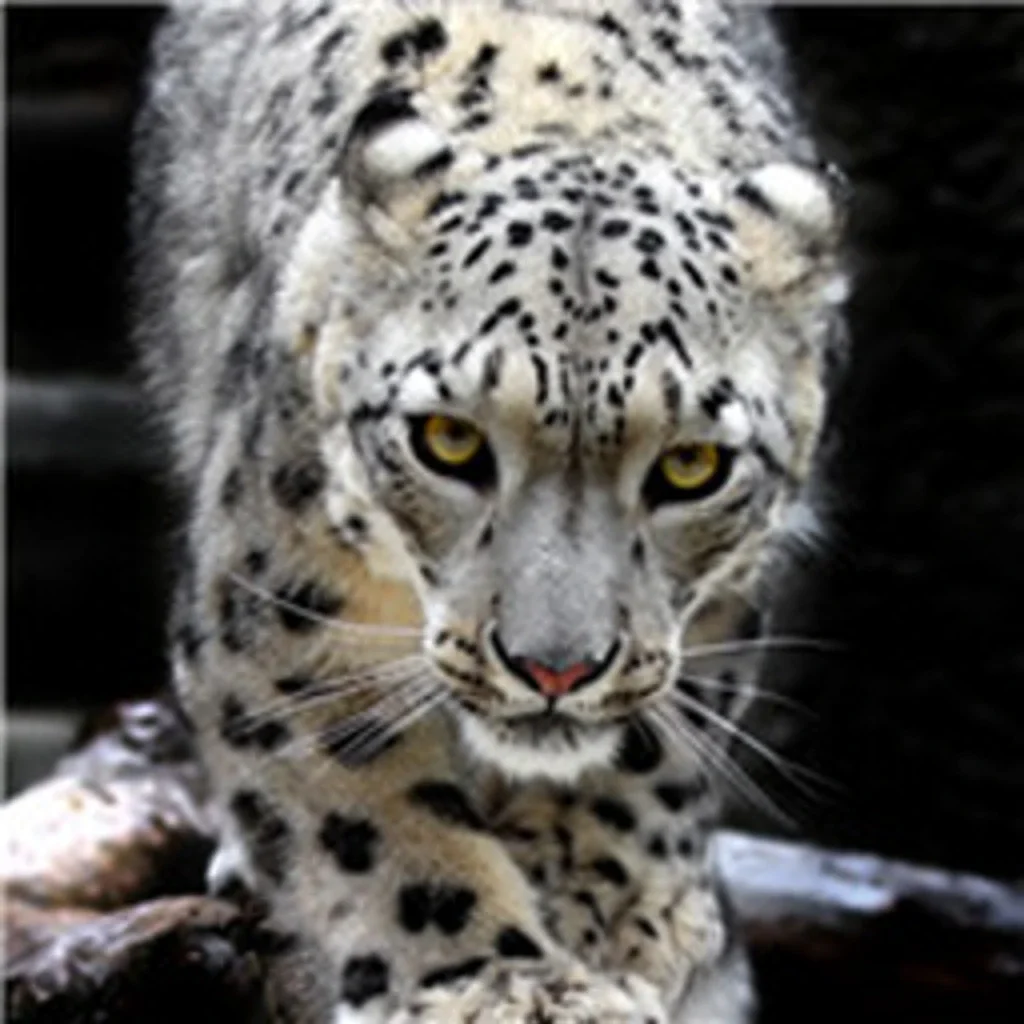 Input |
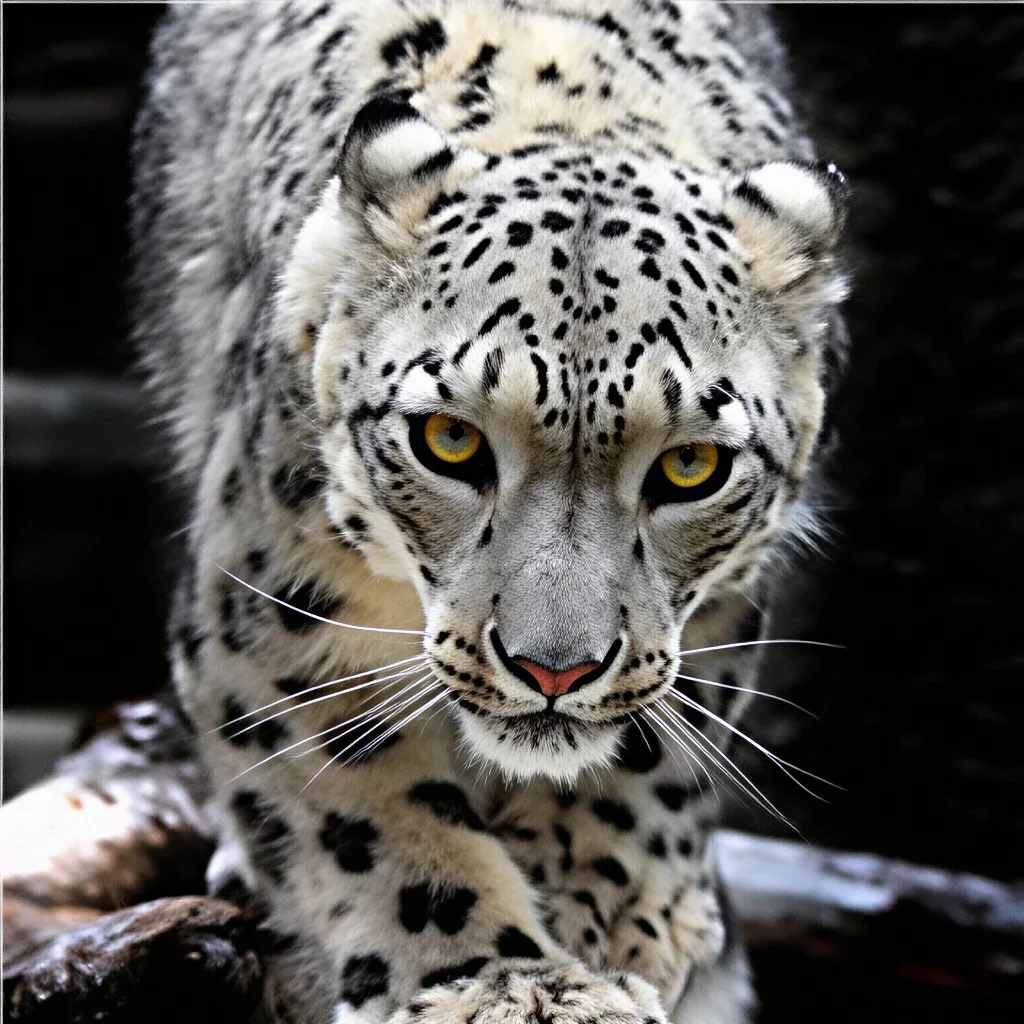 Iris-3B |
 Input |
 Iris-3B |
Interactive depth point clouds and before/after sliders: project page · demo.
Model

| Parameters | 3B (excluding the frozen text encoder) |
| Trunk | 24 blocks at width 2560: 8 dual-stream (separate image/text weights, joint attention) + 16 single-stream; GQA 20 query / 5 key-value heads, gated attention, sandwich RMSNorm, shared-bias adaLN |
| Patch size | 16 |
| Pixel head | 4 pixel-transformer (PiT) blocks: each patch is decoded back to pixels with per-pixel modulation, attending across patches |
| Text encoder | Qwen3-VL-4B-Instruct (frozen), 12 hidden layers aggregated by a learned layer-attention adapter |
| Objective | rectified flow, v-prediction, logit-normal timesteps |
Install
pip install -e .            # Python >= 3.11, PyTorch >= 2.7.1
pip install -e ".[dev]"     # + pytest, ruff
Inference
hf download speridlabs/iris-3b --local-dir iris-3b --exclude "depth/*" "upscaler/*" "turbo/*"    # ~12 GB
python scripts/sample.py --checkpoint iris-3b \
    --prompt "a red fox sleeping in fresh snow, golden hour"
--checkpoint is a directory holding model.safetensors + config.yaml, or a
training .pth (its EMA weights and embedded config are used). Defaults:
1024×1024, 100 DPM-Solver++ (order 2) steps, CFG 3. Use --txt-file for a
prompt list, --steps, --seed, --negative-prompt to adjust.
Turn a training checkpoint into a release directory (EMA weights only, FP32 by default, config reduced to model/text-encoder/flow settings):
python scripts/export_checkpoint.py output/run/checkpoints/latest.pth exported/iris-3b
Depth, image restoration and upscaling
The release also ships Iris-3B fine-tuned for monocular depth estimation and
for image restoration and upscaling — the general-vision-learner side of
the model — in the depth/ and upscaler/ folders of the same Hugging Face
repo (~12 GB each). Both run the full model in
a single forward pass with the empty prompt, so no text encoder is loaded.
python scripts/depth.py photo.jpg --out depth_out      # <name>.npy + colorized <name>.png
python scripts/upscale.py photo.jpg --out upscaled     # <name>_x4.png
- Depth returns relative log depth at the input resolution (−1 near, +1
far). It is affine-invariant, not metric: fit a scale and shift in log space
to compare with ground truth. Inputs above 1024 px on the long side are
downscaled for the model (
--max-side 0keeps native resolution). - Restoration is a one-step restorer trained on 1024×1024 crops (4× of
256×256 inputs). The input is upsampled bicubically to 4×; outputs smaller
than 1024 on the short side are run as one tile, larger ones as overlapping
1024×1024 tiles (stride 512) blended with a Gaussian window, followed by a
wavelet colour fix against the bicubic upsample. By default inputs are first
downscaled to at most 512 px short side / 1024 px long side, which caps the
output at 2048×4096 (21 tiles);
--no-budgetkeeps the input size.
Python API: iris3b.downstream.depth.DepthPredictor and
iris3b.downstream.restoration.Restorer. Fine-tuning checkpoints are converted
with scripts/export_downstream.py.
Demo
The Gradio app behind the Hugging Face Space
(text-to-image, depth and upscaling tabs) is in demo/; it runs on ZeroGPU
there and on any local GPU. All three models together take ~45 GB of GPU memory;
with IRIS_OFFLOAD=1 they stay on the CPU and each request moves only the model it
needs to the GPU (~20 GB peak), which is what the Space does:
pip install -e ".[ui]"
python demo/app.py          # IRIS_MODEL_REPO=<dir or repo id> to use other weights
Iris-3B Turbo

Iris-3B Turbo is a 4-step distilled version of Iris-3B. Classifier-free
guidance is baked into the weights, so each step is a single forward pass; a
1024×1024 image takes about 0.7 s on one H100 (batch 4). It is a full
fine-tune of all 3B parameters, not a LoRA, and ships in the
turbo/ folder of
the Hugging Face repo (~6 GB, bf16). Try it in the
Turbo demo.
hf download speridlabs/iris-3b --include "turbo/*" --local-dir iris-3b    # ~6 GB
python scripts/sample.py --checkpoint iris-3b/turbo \
    --prompt "a red fox sleeping in fresh snow, golden hour"
scripts/sample.py recognises the folder by its distill.yaml and samples
with the schedule saved there: σ = 1, 0.938, 0.833, 0.625, deterministic
flow-Euler steps that reuse the noise implied by the current state, and no CFG.
The schedule is part of the model, so --steps, --order, --shift,
--cfg-scale and --negative-prompt do not apply; the prompt, --height,
--width and --seed do. Weights are upcast to FP32 and run under BF16
autocast, as in the evaluation below. Python API:
iris3b.sampling.generate_few_step. Turbo was distilled at about one megapixel
in 7 aspect buckets: 1024×1024, 752×1344, 896×1344, 896×1200 and their
transposes. The image above was generated on an H100 with --seed 6 and the
prompt Colorful animated cartoon poster: a smiling shiba inu in aviator
sunglasses behind the wheel of a low futuristic supercar, dynamic angle, neon
sunset sky, with big bold vector lettering "IRIS TURBO" in the sky.
Benchmarks
| Model | GenEval | DPG-Bench | LongText-Bench (EN) | OneIG-Bench (EN) |
|---|---|---|---|---|
| Iris-3B | 0.798 | 86.52 | 0.857 | 0.540 |
| Iris-3B Turbo | 0.820 | 86.68 | 0.804 | 0.516 |
| iris-3b-turbo-lora r2-1000 | 0.760 | 85.05 | 0.733 | 0.486 |
| OneIG-Bench (EN) | Alignment | Text | Reasoning | Style | Diversity |
|---|---|---|---|---|---|
| Iris-3B | 0.863 | 0.889 | 0.279 | 0.449 | 0.220 |
| Iris-3B Turbo | 0.862 | 0.848 | 0.283 | 0.433 | 0.154 |
| iris-3b-turbo-lora r2-1000 | 0.851 | 0.721 | 0.258 | 0.445 | 0.153 |
All models at 1024×1024 with the official scorers and the same prompts and seeds; Iris-3B with its default sampling settings. The community adapter was run with its recommended settings through its own code. Turbo is slightly ahead of the base model on prompt following (GenEval, DPG-Bench) and behind it on long rendered text and on OneIG-Bench, where the gap is mostly text and diversity.
Training recipe
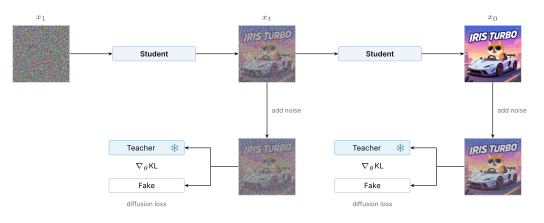
Turbo is distilled from Iris-3B with
Trajectory Distribution Matching (TDM),
data-free, as a full fine-tune of all 3B parameters in two stages. The trainer
is included: scripts/distill.py with one config per stage.
| Stage 1 | Stage 2 (released) | |
|---|---|---|
| Config | configs/iris3b/turbo_stage1_6step.yaml |
configs/iris3b/turbo_stage2_4step.yaml |
| Steps (σ) | 6 (1, 0.926, 0.833, 0.714, 0.556, 0.333) | 4 (1, 0.938, 0.833, 0.625) |
| Initialization | Iris-3B | student: stage-1 EMA; fake network: stage 1 |
| Student updates | 1,600 | 500 |
| Global batch | 64 | 16 |
| Student / fake-network LR | 1e-6 / 5e-6 | 2.5e-7 / 2.5e-6 |
| EMA decay | 0.999 | 0.9995 |
| Prompts | ~981K | ~1.19M |
- Networks: frozen Iris-3B teacher, the student and a "fake" score network trained online on the student's outputs; deterministic flow-Euler step transitions.
- Guidance: CFG 3.5 (empty negative prompt) baked into the teacher target; the student samples without CFG.
- Optimizer: AdamW, betas (0, 0.999), weight decay 0, gradient clipping 1.0, constant LR, one fake update per student update.
- Precision: FP32 weights under BF16 autocast.
- Resolution: about 1 MP in 7 aspect buckets, one per global batch: 1024×1024, 752×1344, 896×1344, 896×1200 and their transposes.
- Prompts: text only, no images. Stage 1: fine-grained text-to-image prompts, MONET captions, rendered-text prompts and SFT captions, about 12% with quoted text. Stage 2: MONET captions, captions of text-rendering sources and other SFT captions. The prompt sets are not released.
- Release: the stage-2 EMA weights, exported in bf16.
torchrun --nproc_per_node=8 scripts/distill.py --config configs/iris3b/turbo_stage1_6step.yaml \
    teacher=iris-3b prompts_file=prompts.txt
torchrun --nproc_per_node=2 scripts/distill.py --config configs/iris3b/turbo_stage2_4step.yaml \
    teacher=iris-3b prompts_file=prompts.txt \
    init_from=output/turbo/stage1_6step/checkpoints/step_00001600.pth
python scripts/export_distilled.py output/turbo/stage2_4step/checkpoints/step_00000500.pth \
    exported/iris-3b-turbo --dtype bf16
teacher is the exported Iris-3B directory from Inference and
prompts_file a UTF-8 text file with one prompt per line. Interrupted runs
continue with resume_from=<work_dir>/checkpoints/latest.pth;
strategy=fsdp2 shards the student, the fake network and their optimizer
states across GPUs when DDP does not fit.
Thanks to the community turbo LoRA
The first few-step Iris came from the community: pentacoxian-dev built iris-3b-turbo-lora (code, demo), a 4-step DMD2 distillation packaged as a rank-64 LoRA. It is a lightweight 460 MB adapter trained on a single consumer GPU, far easier to download, share and build on than a full 6 GB checkpoint. Thank you, it is a joy to see Iris picked up by the community this quickly.
Limitations
- Dense or long rendered text is less reliable than with the base model.
- Less variety across seeds: different seeds for one prompt give more similar images.
- Faint grain or speckle can appear on flat, vector-style backgrounds.
- Sampling is fixed at 4 steps, with no CFG or negative prompt.
Training
Data
Training reads tar shards indexed by a wids-meta.json. Each sample is an
image plus a JSON with its caption, height and width. Build them from a
folder of images with .txt/.json caption sidecars, or from a Hugging Face
dataset:
python scripts/prepare_wids.py folder /path/to/images --out /data/my-set
python scripts/prepare_wids.py hf user/dataset --split train \
    --image-column image --caption-column text --out /data/my-set
Recipe
Iris-3B was trained in three resolution stages followed by supervised
fine-tuning, each resuming from the previous one. The configs list only what
differs from the defaults in src/iris3b/config.py:
| Config | Resolution | Steps | Global batch | Shift | Notes |
|---|---|---|---|---|---|
configs/iris3b/stage1_256.yaml |
256² | 0 → 365K | 1024 | 2 | REPA (DINOv2-B/14, weight 0.5) |
configs/iris3b/stage2_512.yaml |
512, multi-aspect | 365K → 530K | 1024 | 3 | |
configs/iris3b/stage3_1024.yaml |
1024, multi-aspect | 530K → 625K | 512 | 4 | LR 5e-5 |
configs/iris3b/sft_1024.yaml |
1024, multi-aspect | 625K → 665K | 512 | 4 | constant LR 4e-5, no warmup |
Common to all stages: hybrid Muon — Muon (momentum 0.95, Nesterov, RMS-matched
LR) for hidden weight matrices, AdamW (β₁ 0.9, β₂ 0.95) for embeddings, norms and
biases — with weight decay 0, gradient clipping at 0.5 and a constant LR of 1e-4
after a 2K-step linear warmup unless noted. EMA decay 0.9999, 10% caption dropout
for classifier-free guidance, logit-normal (0, 1) timesteps with the
resolution-dependent shift above. From the 512 stage on, RoPE uses isotropic
coordinates for non-square images. bf16, FSDP2 hybrid sharding, torch.compile.
Single node:
torchrun --nproc_per_node=8 scripts/train.py --config configs/iris3b/stage1_256.yaml \
    data.data_dirs=[/data/my-set] train.expected_global_batch=128
Multi-node (run on every node with its own NODE_RANK):
NNODES=8 NODE_RANK=0 MASTER_ADDR=node0 \
    scripts/launch_multinode.sh configs/iris3b/stage1_256.yaml data.data_dirs=[/data/my-set]
Any config key can be overridden as key=value after the config path.
Tests
pytest -q
Acknowledgements
The dual-level design (a patch-level transformer followed by a pixel-level transformer head) follows the architecture described in PixelDiT. This is an independent implementation; it contains no code from that project. We also build on DiT, REPA, Muon through Dion, Qwen3-VL, DINOv2 and, for Iris-3B Turbo, TDM.
License
The code in this repository and the model weights on Hugging Face are licensed under the Apache License 2.0; see also NOTICE.
Third-party components are not redistributed here and remain under their own licenses:
| Component | Use | License |
|---|---|---|
| Qwen3-VL-4B-Instruct | frozen text encoder, downloaded at runtime | Apache 2.0 |
| DINOv2 | REPA teacher (training only), downloaded at runtime | Apache 2.0 |
| Dion | Muon optimizer, pip dependency | MIT |
Citation
@article{licai2026iris,
  title   = {Iris-3B: Going Beyond the Latent with Pixel-Space
             Diffusion Training, Conversion and Fine-Tuning},
  author  = {Li Cai, Hanqiu and Garabito, Chema},
  journal = {arXiv preprint arXiv:2610.09450},
  year    = {2026},
  url     = {https://arxiv.org/abs/2610.09450}
}
Made with ❤️ by speridlabs.com